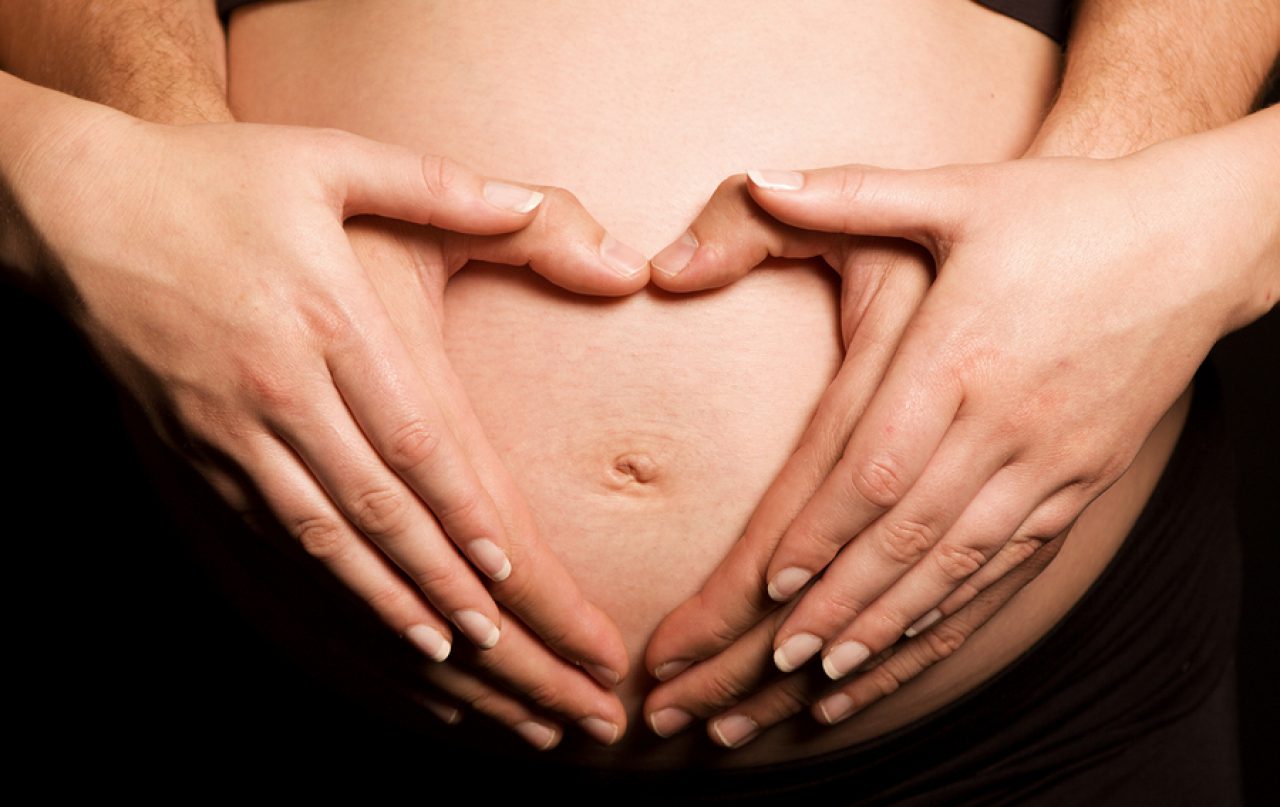
The authors shared their maternal experiences in the last two posts of the blog. Although I have not been a mother yet but from what I have heard from my mother and sister’s maternal period experiences and from my personal research, in this blog post I would like to share some tips on how to take care of oneself after the maternal period.
What is postpartum care?
The postpartum period refers to the first six weeks after childbirth. Especially for a new mother, adjusting to everyday life after the birth of a baby has its challenges. After the child birth, it is very important to take care of oneself along with paying attention to the needs and requirements of the newborn. Diet, sleep and proper rest along with right feeding will keep new mother and newborn baby healthy and relaxed. In order to ensure that she can be in the best place physically, mentally, and emotionally to care for her newborn, around the world many cultures have their own beliefs and practices that focus on the new mother after birth.
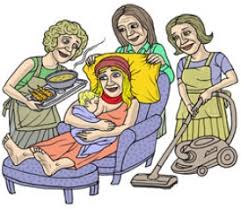
From what I have seen in my Bengali culture, the new mother often returns to her parents’ home with her newborn for up to two or three months of focused care. There, many pairs of hands are on call throughout the day as mostly live in joint family who can also hold the baby whenever the mother needs a break. The women of the family cook easily digestible special foods that speed up recovery and increase the production of breast milk as well as keeping the body warm are recommended in Bengali style of postpartum care. Accordingly to the following article postpartum care in these cultures is aimed at keeping the new mother warm; it is believed that this will reinstate her humoral balance.
Confinement Period after giving birth:
Forty days of rest period of the mother after delivery to keep the mother and child away from infections as well as to restore her energy to focus on caring for her baby and herself is known as the ‘confinement period’ during postpartum. Few restrictions are also induced during this period to avoid future health problems for the mother and child.
Baby Blues and Postpartum Depression:
Baby blues also known as postpartum blues are common result of hormones, tiredness and overwhelming feelings of responsibility that a new mother feels first few days after having a baby. About 70%- 80% of new mothers experience this and it can happen 2 to 3 days after having the baby and can last up to 2 weeks. They usually go away on their own, and there is no need for any treatment. There are few ways to cope with baby blues, for example, getting as much sleep as possible, avoiding alcohol or any kinds of harmful drugs, taking a time out for oneself.

Postpartum depression: The baby blues are different from postpartum depression and it is a depression that occurs when symptoms (include sadness, changes in sleeping and eating patterns, low energy, anxiety, and irritability) are much more severe last for more than two weeks and interfere with functioning. It is a medical condition that needs treatment along with counseling or support groups to get better. In my culture, the holistic approach as mentioned above to the postpartum period acts as a preventative to postpartum depression.
Before writing on this topic, I never knew properly about these two terms. Two years ago when my sister gave birth to her daughter, my mother and I went to Bangladesh, stayed two months to give care and support as she lives in there with her husband. Now when I think of those days, how much these helped my sister to overcome these period. I believe a mother‘s support system should be nourishing and supportive in such a way that she is able to get all the help and affection she needs in order to heal and mend well after birth both physically and emotionally.



 Discipline is often strict and physical punishment such as spanking is considered a normal aspect to parenting in many Bengali families as sometimes they are used to discipline, control, and teach the child appropriate behaviors. In contrast, beating a child is
  When it comes to education, Bengali parents are really strict. To them, education equivalents to a bright future for their child; therefore, from an early age, children are being sent to language, science, math, music and art classes. Once they become an adult, in order to increase their employ-ability rate these are all being done. On the other hand, when it comes to their child’s education, western parents may seem to be more lenient where children are given circumstances to discover and develop their individuality.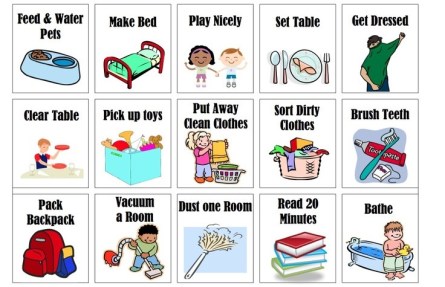
 From Birth to Parenting (The Stuff No One Tells You)