

Parenting is one of the most difficult and challenging responsibilities a person can experience and parenting styles are as diverse as parents themselves. Parental attitudes, practices, and non-verbal expressions are few gatherings of parenting styles that illustrate the nature of parent-child relationships. For the reason that there are no difficult and fast written rules with parenting, from many different examples including their own parents, role models, life experiences as well as from culture, the society they live in, those learning how to parent.
I was born and raised in Bangladesh and when I was 16 years old, my family and I moved here. Since many of my relatives live here with their own families, I have got the opportunity to experience the differences between the two countries in child rearing. Here are some behaviors where parenting styles vary from a Bengali parent to a Western Parent.
Family structure: The children of Bangladesh, a predominantly Muslim nation with large minorities of Hindus, Christian, and Buddhist, are raised within a hierarchical kinship structure and religious beliefs. Childhood is viewed as a sensitive time period where children are mold-able which is why obedience to authority, passivity, and interdependence are highly valued. Usually, families live together in a multi-generational household, which is why there is a strong importance on respect of elders in the Bengali culture. Moreover, children living with their parents until, and at times even after marriage.

Punishment:
 Discipline is often strict and physical punishment such as spanking is considered a normal aspect to parenting in many Bengali families as sometimes they are used to discipline, control, and teach the child appropriate behaviors. In contrast, beating a child is against the law in the Western countries. In order to reflect what they did wrong, punishments such as to deprive of playing games or going outside (being grounded).
Schooling:  When it comes to education, Bengali parents are really strict. To them, education equivalents to a bright future for their child; therefore, from an early age, children are being sent to language, science, math, music and art classes. Once they become an adult, in order to increase their employ-ability rate these are all being done. On the other hand, when it comes to their child’s education, western parents may seem to be more lenient where children are given circumstances to discover and develop their individuality.
Household chores: Children are anticipated to run errands and help around the house. By the age of 13, my brother and I were already doing household chores such as ironing our school uniforms, cleaning rooms and cooking, etc. Research displays that household tasks boost children to be more responsible and it helps keep them grounded. Furthermore, the research goes into detail that chores benefit children to be more organized, compassionate, and considerate of others. Additionally, it curbs boredom and disobedience.
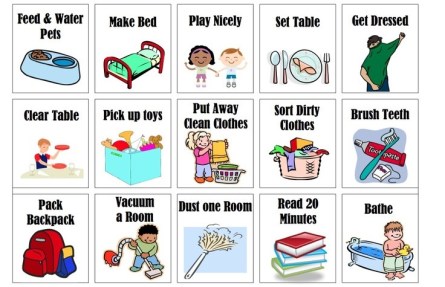
Oppositely, in here, the biggest chore they do is put their things away and/or wash the dishes. This is because chores are seen as laborious for children and making them do chores equates to child abuse/ child labor. The Maryland Population Research Center states a 6 to 12-year-old child spends an average 24 minutes a day doing chores, usually done under pressure.
According to a YouTuber named Kristina Kuzmic, “loving them does not mean making sure they’re always happy and giving them every single little thing they want. It means nurturing them to be hale and hearty, decent human beings. In conclusion, parenting is a two-way learning process. Regardless of any country, parents believe in doing the best for their children all the time. We pick up from children every day and in return, we teach them right from wrong.

 From Birth to Parenting (The Stuff No One Tells You)